I’ve been rambling about this topic for a while, but this post will be my final word – for now. I’ve made it very clear that I’m in favor of minimalist logos in my past posts. I like how they can be simple and practical and easily recognizable.
That being said, I believe that the most interesting thing about design is that there’s no blueprint and you can always be creative. Design rules are often broken – and can work really well!
Sometimes being minimalist just doesn’t work for the kind of project you’re working on, or maybe there’s not even a reason to follow a simpler approach. It all comes to having a good idea . Grab it before it vanishes away!
I’ll be honest: I’m a fan of minimalist movement in design as much as I’m a sucker for negative space, which is a lot. Shoot me. But, as a Designer, I have to consider the viability of reproducing logos in multiple sizes, materials, and conditions, while also being time efficient and creating something that looks unique for the client.
The realistic feeling of older maximalist, detailed logos can be eye-catching and fun when on a website, but work terribly if not printed in the most favorable conditions and are hard to break down into simple and recognizable color palette and shapes.
Most efficient logos have easily recognizable shapes, are descrpitive of what the company does or the company’s name, and are easy to reproduce in different sizes without losing details.
I think that we have a hard time saying goodbye to maximalist logos because they’re the last grasp we have of the 2000s, a time when technology felt promising and we weren’t doomed to run around looking for outlets to charge our smartphones. But, as much as people will complain, it is time to move on and embrace new trends – we already do it with TikTok, why not with logos as well?
On my last post I talked about abrupt logo changes in design, specifically Instagram, and how that helped to promote a new persona for the brand. That modern and serious twist is something that we’ve seen happening more and more often this past decade.
Even though not being the most simplistic of the examples, Instagram’s redesign followed a slow trend of flat logos and logotypes that might be referenced as the “2010s style” in the future. The trend is opposed to previous work made in the early 2000s, when everything online was shiny and brand-new and all the tools available should be used at once in order to display how advanced technology was. I’m talking gradients, shadowing, glow, details, and life-like mascots. As time passed by and the Internet stopped being such a chaotic place, designers were able to tone down their work and eventually all the previous work from the last decade was seen as tacky and busy.
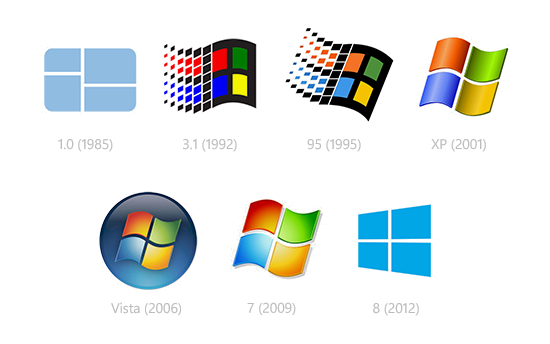
Windows might be the best example of how this sudden peak in technology changed logo design and determined a remarkable style for a short period of time. The image bellow shows how Windows has updated its logos along the years to fit the technology and style at the time they were created:
Windows’ Logo throughtout the years
It’s interesting to notice how the first logo and the most recent one are mainly the same concept, while 2001 to 2009 are different adaptations of the same storyline.
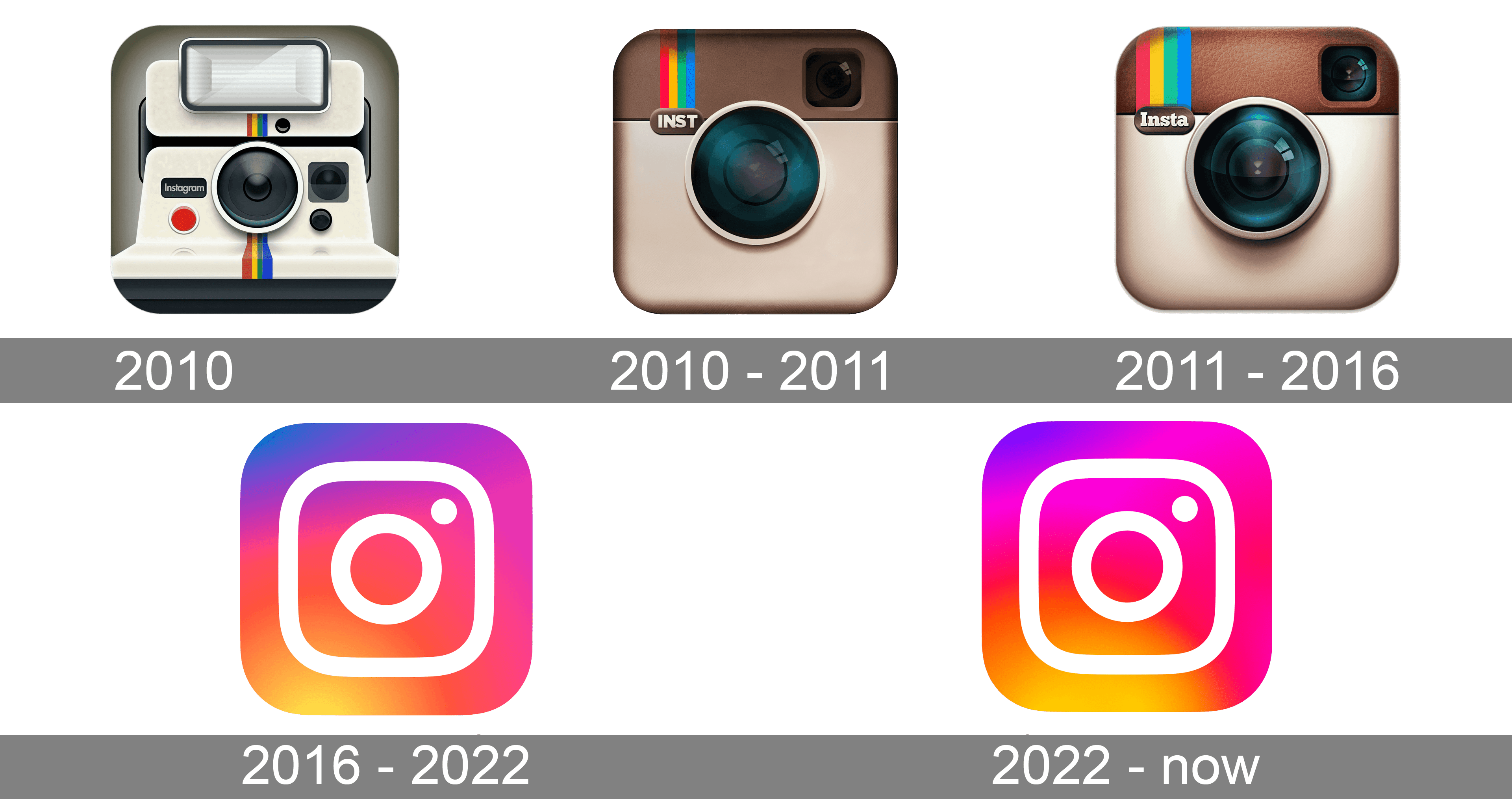
Everyone in their lifetime has probably experienced a logo redesign that sparked feelings of hatred or disgust – it’s just one of the many powers of design. Mine was Instagram’s leap from its iconic brown instant camera to the colored glossy square with a circle in the middle, a redesign that happened in 2016. In some way, the brand grew popularity while being identified by its unique and surprisingly detailed logo that also referenced polaroid cameras (extremely romanticized by Tumblr back then).
As much as I was initially overwhelmed by the rebranding, I got used to it and the message it carried along: Instagram had consolidated itself as a strong social media platform that was here to stay.
Instagram’s logo History
Brands are like people – they have a voice, a purpose, and memories that you relate to them, and, just like people, they change. Instagram begun as an image sharing social platform (something that Jamie Lee Curtis had in mind for years) that took blogging into a different turn, but wasn’t able to sustain itself with just pictures. Not to back-in-my-old-day this, but when I joined the platform in 2012 (!), all pictures had to be in square dimentions, no videos were allowed, and only one picture per post was support.
And look at Instagram now!
People have literally built careers just by using the platform the right way. This change from being a cool teenage-eganging social media network into its professional self had to be represented in all aspects of the brand – including its logo.

 . Grab it before it vanishes away!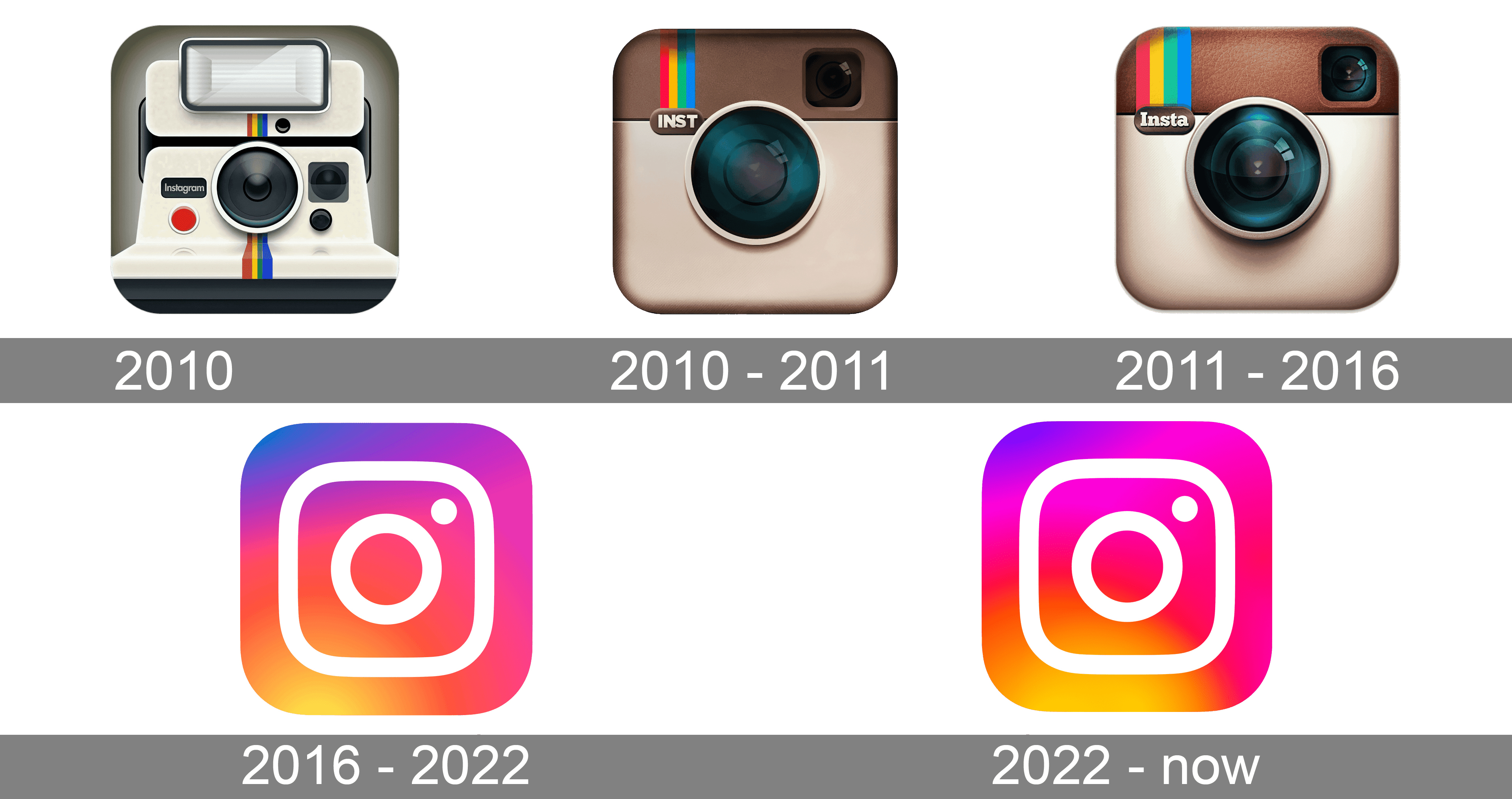

 AdminGreenburg
 ahlheimma538